12 days 11 nights
Daily Tour
Unlimited
___
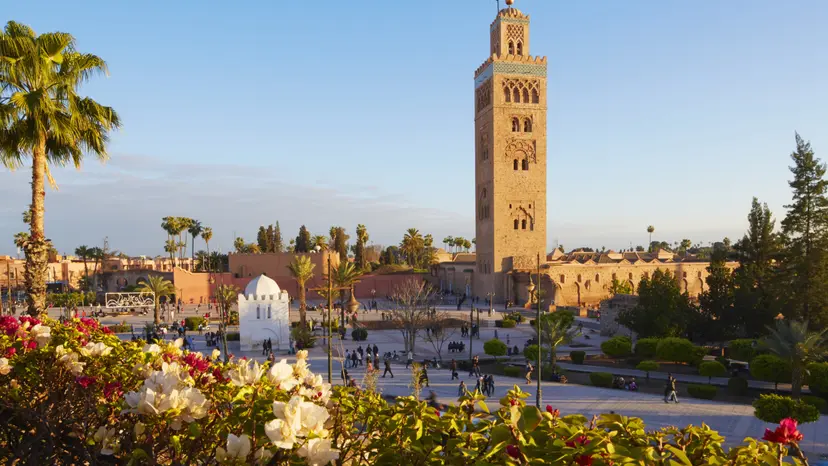
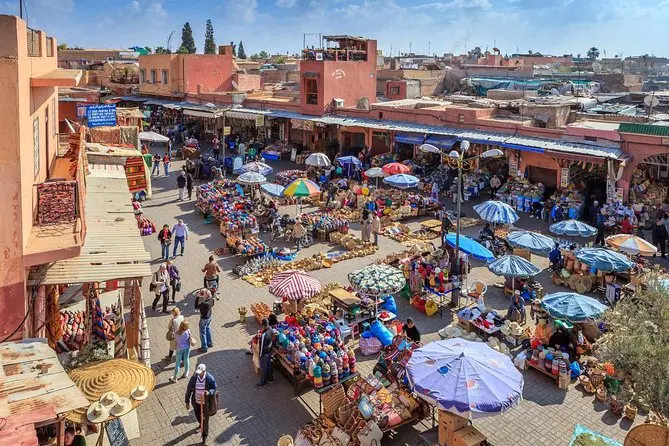
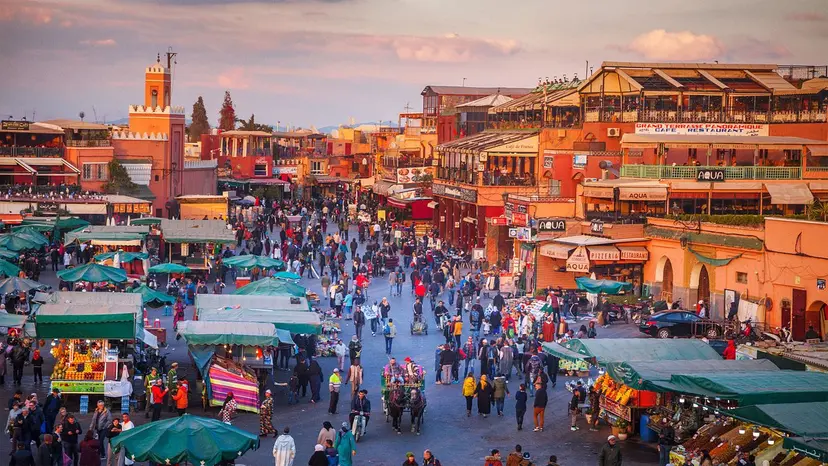
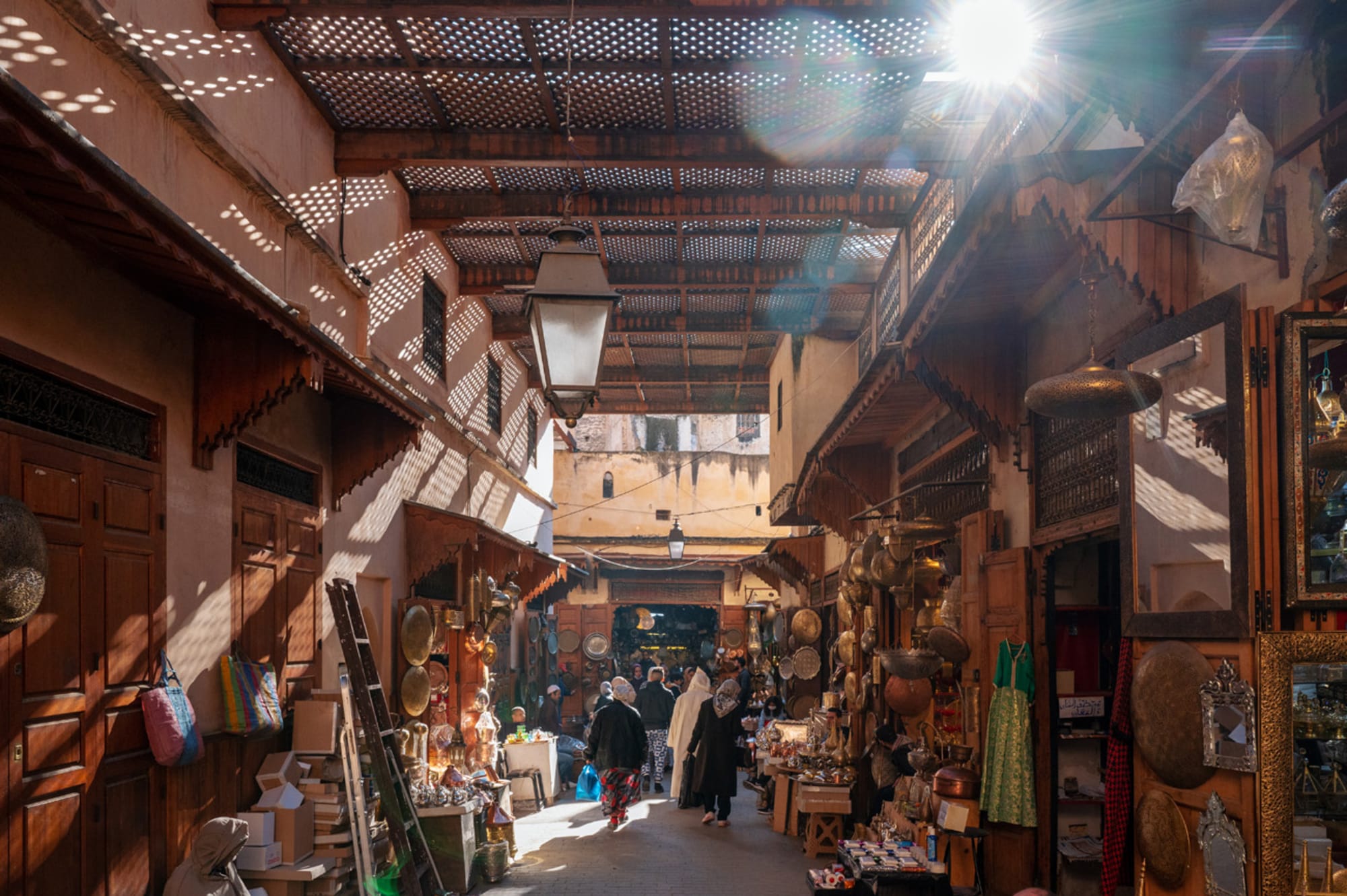
Marrakech was founded in 1062 by one of the chieftains of the Almoravid king Youssuf Ibn Tashfin. The Almoravids were desert warriors, very much attached to their Islamic religion; the original garrison developed very quickly into a city where numerous mosques and madrasas (Koranic schools) were built. Andalusian craftsmen built and decorated several palaces, merging their style with the Saharan and African traditions, which gave the city a distinctive architectural flavor. Nowadays, Marrakech is a vibrant city that exhibits a curious blend of the ancient and the modern, allowing travelers the chance to experience the genuine medieval atmosphere of the old medina and visit the trendiest bars, art galleries and restaurants in the French Quarter, Guéliz, built at the beginning of the 20th Century, all in one day. Highlights of your visit will include: El Bahia Palace Built in the late 19th Century, and decorated by the best artisans of Morocco at the time, this palace – intended to be the most magnificent of its age – features an exquisite blend of Andalousian and Moorish styles. Specially interesting are the harem apartments, the trapezoidal garden, and a huge tiled courtyard with fountains. The Koranic School Medersa Ben Youssef Theological college founded by the Merenid Sultan Abu Hassan in the 14th century, and restored in 1564 by the Saadians who made it the largest theological college in the Maghreb and a rival to the important Medersa Bou Inania in Fés. The Koutoubia Mosque Built by the Almohads in the late years of 12th Century, the Koutoubia Mosque, and specially its minaret, is the most important landmark of Marrakech, and a symbol of the city itself. The minaret served as model for the Giralda in Sevilla and the unfinished Tour Hassan in Rabat, all three being designed by the same architect. Koutoubia means ‘booksellers’, as the trade of books was concentrated in the neighbourhood during the Middle Ages. The minaret of the Koutoubia, 77 meters high, is visible from almost any point of the city – an old ordinance, still in force, forbids any building of Marrakech to surpass the Koutoubia minaret in height. Djemaa El Fna, the Square Nobody knows for certain of the origin of this square, whose name evokes, in Arabic, the contradictory notions of assembly or gathering, and that of absence. Probably as old as the city itself, it was a place for public executions during the day, and the meeting point of musicians, mystics, food sellers, pickpockets, acrobats, snake charmers, storytellers, dancers, fortune tellers and other exotic characters at night (happily enough, nowadays it only retains its more playful aspect). Watching sunset from one of its terraces when the call to prayer from the Koutoubia minaret fills the air is one of these ‘zen’ moments that Morocco offers – do not miss it! Despite its lack of significant monuments, Djemaa el Fna became an UNESCO Heritage Site in 1985, as one of the last places in the world where old oral narratives are still enacted The Souks Filling the alleys north of Djmaa el Fna is the souk, or traditional market – the largest one in Morocco. It is, in turn, subdivided in some 18 souks, each one of them devoted to a specific trade or craftsmanship – from spices or ironwork, to the ingredients necessary for casting magic spells. The number of shops – often not much bigger in size than a closet - is overwhelming, and in them Moroccans can indulge in one of the activities that they enjoy most: bargaining. Cunning, patience, sense of humour, and strategy are needed for the game. Try your skills at it! Overnight at hotel in Marrakech
Breakfast at the hotel then departure to Ouarzazate, crossing the High Atlas via Tizi-n-Tichka (2260 meters above sea level). Ouarzazate was once a crossing point for African traders seeking to reach northern cities in Morocco and Europe. Spend some time exploring the sights. Visit the UNESCO –listed fortified village of Ait Benhaddou in the High Atlas Mountains. This is the most spectacular fortress in the South of Morocco. It is built on the left side of the salty valley on a hill, its unique location and natural decor make the village the main shooting location for famous films such as Lawrence of Arabia and Jesus of Nazareth. Each door and each courtyard hold its architectural treasure, and terraces on top of buildings offer beautiful views of the village and the river b Overnight at hotel in Ouarzazate
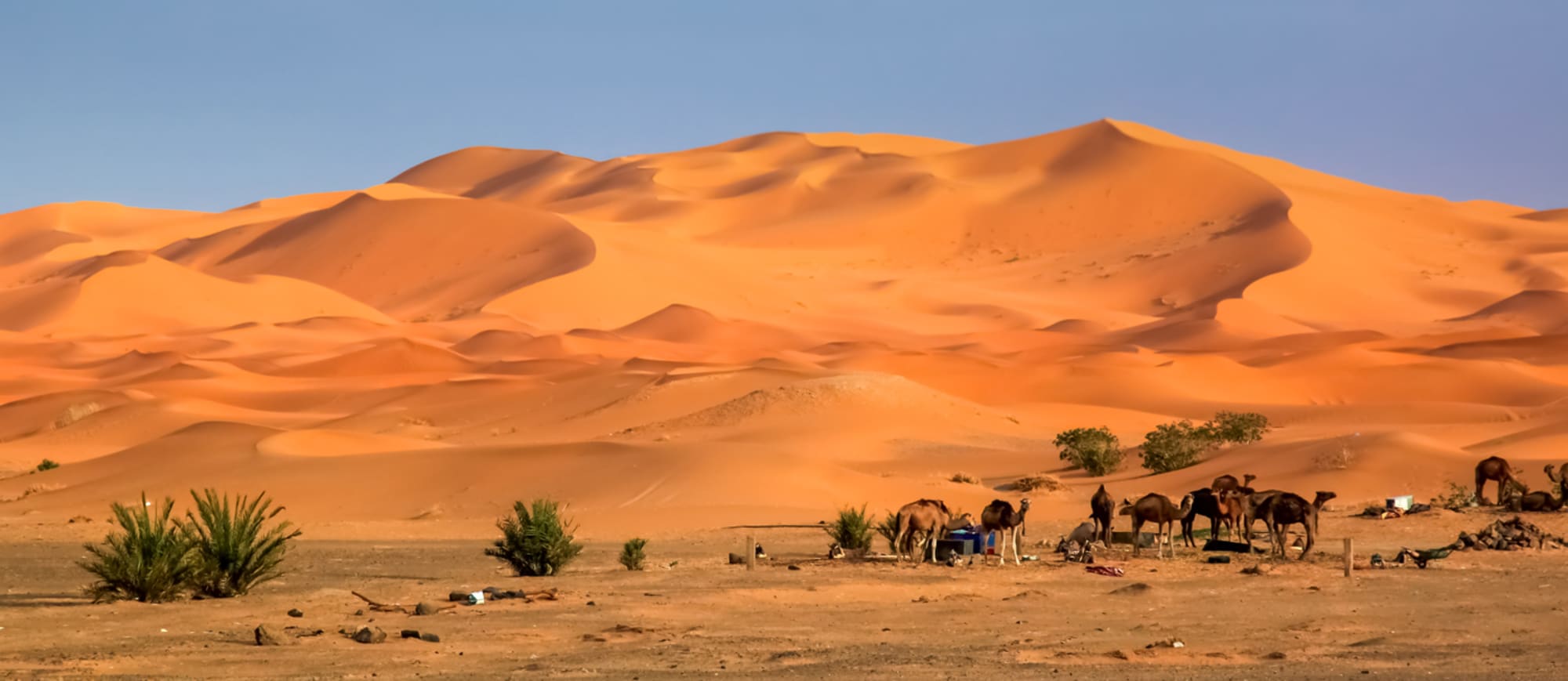
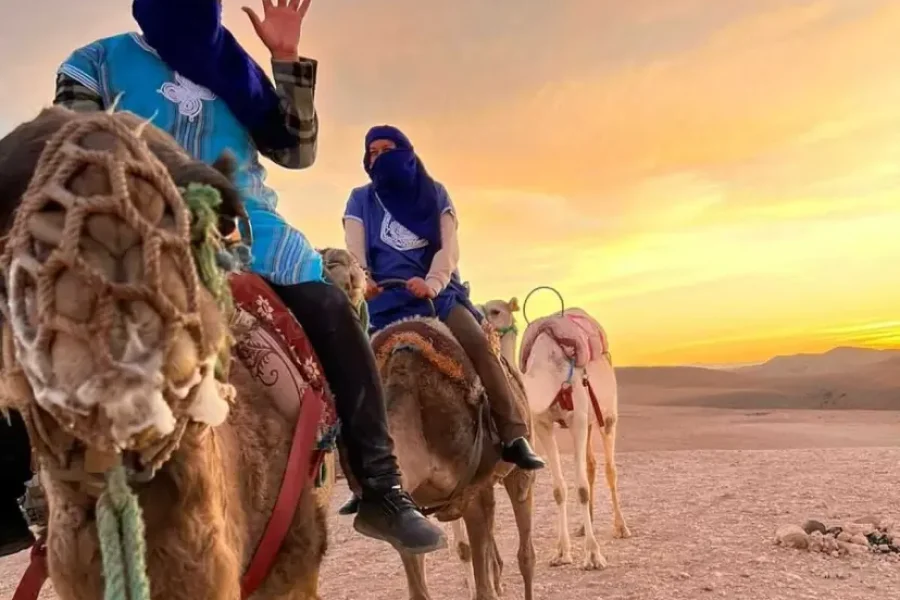
The journey today takes you through some of Morocco’s most dramatic landscapes, Leaving Ouarzazate, travelers pass through the scenic Draa Valley, lined with lush palm groves, ancient kasbahs, and small Berber villages, providing insight into traditional Moroccan life. The route then climbs into the High Atlas foothills before descending into the Dades Valley, renowned for its dramatic rock formations, winding gorges, and “Valley of a Thousand Kasbahs.” A highlight of the journey is the Todra Gorge, where sheer cliffs rise over 300 meters, framing a narrow canyon with a river running through its base—a perfect spot for photography and short walks. Continuation to Erfoud via Rissani cradle of the Alawite dynasty. Take a 4WD ride to Merzouga.Upon arrival, a welcoming mint tea will be presented. Take the camels and enjoy an outstanding ride along the dunes to attend one of the most magnificent sunsets in the world. Dinner and overnight at Auberge or luxury camp in Merzouga desert
Embark on an enchanting adventure with our sunrise camel ride in the Erg Chebbi dunes. Feel the soft desert sands beneath you as the sun paints the sky in hues of gold and pink. Let the rhythmic footsteps of your camel lead you to a magical sunrise experience in the heart of Morocco's Sahara. Enjoy local lunch at the camp Optional Quad ride in the Desert. an expert pilot will guide you through the Magic of our beautiful Merzouga Desert, covered in golden dunes. You will experience a safe and funny journey. Head to the Erg Chebbi dunes to begin your exploration of the desert. Stop at a small oasis with palm trees, watch the sunrise or sunset, and drive and explore the open desert with your automatic vehicle. Optional jeep tour through the fascinating dunes of Erg Chebbi in Merzouga, Morocco. Discover the soulful beauty of the Sahara as you travel across the golden sands, witness breathtaking sunsets, and discover the magic of this desert oasis. Optional excursion to the village of Khamlia illustrates the Africanness of South East Morocco. Located in the Merzouga desert, this douar has roots in Africa in all its ethnic and cultural dimensions. Khamlia is indeed home to a community that has been perpetuating Gnaoua music since ancient times, this musical genre is specific to these mystical brotherhoods practicing therapeutic trance rituals and traces the human history of these ethnic groups, their sufferings, and their hopes. In this exciting adventure, you will sit for lunch and enjoy a special dish known in the area as megafauna (also called 'Berber pizza'), a traditional stuffed bread prepared with meat, herbs, and spices by the nomadic peoples of the High Atlas. · Dinner and overnight in the Camp or htl in Desert
If you wake up early enough, you can watch the sunrise, when the colour of the dunes and the game of shadows are an impressive sight. Take 4wheel car back to Erfoud, depart to Tinghir via Tinejdad road with its magnificent Kasbahs. Visit the Todra canyons situated on the east side of the High Atlas Mountains in Morocco. The Todra Gorge is recognized around the world as one of the most spectacular canyons. Here, both the Todra and Dades Rivers have carved out cliff-sided canyons on their final 25-mile stretch through the mountains, leaving behind this series of reliefs and etches in the rock. Continue to El Kelaa through the Dades Valley with a short sightseeing of El Kelaa M'Gouna is most known for the "Roses Festival" which takes place in the city every year. The so-called Roses Festival organized in May each year and is becoming more and more known throughout the world. Continue to Ouarzazate through the road of thousands of Kasbahs Overnight at hotel in Fes
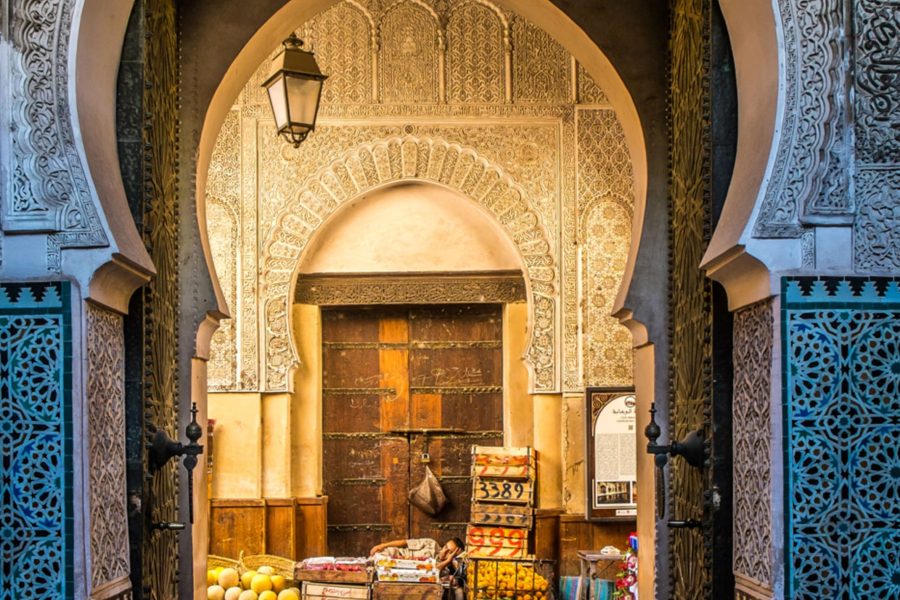
After breakfast, full day sightseeing tour of Fes, was founded in the 9th century and home to the oldest university in the world, Fez reached its height in the 13th–14th centuries under the Merinids, when it replaced Marrakech as the capital of the kingdom. The urban fabric and the principal monuments in the medina – madrasas, fondouks, palaces, residences, mosques and fountains - date from this period. Although the political capital of Morocco was transferred to Rabat in 1912, Fez has retained its status as the country's cultural and spiritual centre. Artisan workshops in the medina are as active today as 100 years ago, and strongly contribute to the city’s industrial economy. Trades such as metal and leather working, ceramics, silk, tapestries, and sculpting are still practiced in these workshops. Original ramparts still protect the ancient city and its’ 9000 passageways and narrow streets. Your sightseeing tour will include the following: The Medersa This theological college, marked by its green tiled roof, is a prime example of Merinid architecture, and it's the most beautiful of Kairaounie University's residential colleges. Inside, elegant calligraphy graces the ceramic tile walls. The marble floors, sculpted cedar, and carved stucco walls—made with a concoction of plaster and egg white—have held up since this masterpiece Medersa was built in 1350. Since it is still in use, non-Muslims must depart during prayer time. Bab Boujloud Constructed in 1913, this gate is about 1,000 years younger than the buildings behind it. It's proof that age doesn't matter—the relatively youthful structure is the most strikingly beautiful entry point into the old city. Painted flowers and calligraphy embellish its outer blue ceramic tiles and, depending on one's interpretation, the green mosaic interior either represents peace or the official color of Islam. The Splendid fountain at Place Nejjarine The square, with its splendid and unusual fountain, takes its name from the Souk Nejjarine (Carpenter’s Souk) which is situated behind a wooden door in a narrow street below the square The Mellah The Jewish Quarter. The Jews lived here and received protection from the sultan. The main street is especially interesting with its balconies and Art Deco zellij mosaic. Most Jews in Fez (around 300) now live in the Ville Nouvelle. Visit of the Ibn Danan Synagogue, a recently restored 17th century synagogue. Souks The souks of Fez are located in the ancient city center, the medina. Merchants selling the same sort of products are generally grouped together in their own “souk”. The tiny alleyways are crowded with the tiny boutiques on both sides The henna and wood working souks are located in the Nejjarine neighborhood and the scent of cedar is everywhere. The main plaza is planted with trees and provides a shaded haven from the warm sun. Various natural products derived from henna are sold here. Nejjarine is also where the fabric dyers are located. You simply should not miss El Attarine, the spice souk. Without question, this souk is the most colourful in Fez. New Medina The “nouvelle Ville” of Fez, or the new city, provides a startling contrast with Fès el Bali. Wide and elegant avenues are lined with numerous cafés and restaurants. The modern aspect of the new city highlights the economic differences of the suburbs and the city center. Overnight at hotel in Fes
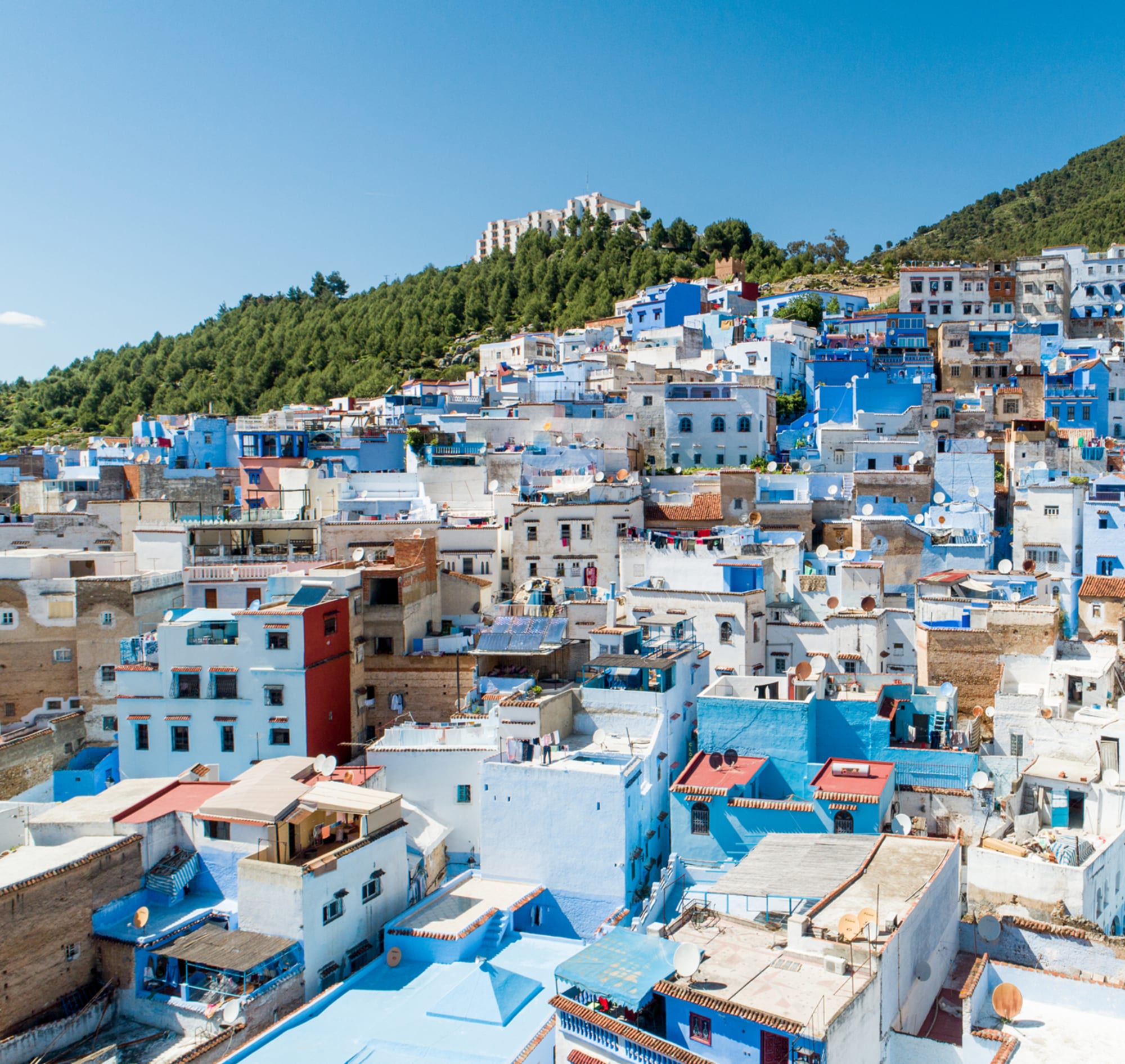
Departure to Chefchaouen, a small charming city was conquered in 1920 by the Spaniards. The Blue City of Morocco, is a serene and picturesque experience. Nestled in the Rif Mountains, the town enchants visitors with its blue-washed streets, white walls, and vivid doors that create a dreamlike atmosphere. Strolling through the medina, you can explore charming alleyways lined with local craft shops, handmade textiles, and traditional pottery. The central Outa el Hammam Square offers cozy cafés perfect for enjoying mint tea while admiring the view of the Kasbah and surrounding hills. A brief walk up to the Spanish Mosque provides a stunning panoramic view of the entire blue town — a perfect way to end a short but memorable visit. Overnight at hotel in Chefchaouen
After Breakfast departure to Rabat, Morocco's coastal capital since 1912, the bustling cultural epicenter of Rabat is home to just over a million people. This modern and well-preserved city contains many fascinating historical sites. Visit the impressive Hassan Tower, a minaret of an incomplete mosque that was begun in 1195—construction stopped when Sultan Yacub al-Mansour died in 1199. Just opposite of Hassan Tower lies the Mausoleum of Mohammed V, which contains the tombs of the Moroccan king Mohammed V and his 2 sons. Visit the UNESCO World Heritage-listed Kasbah of the Udayas. Continuation to Casablanca. Overnight at hotel in Casablanca
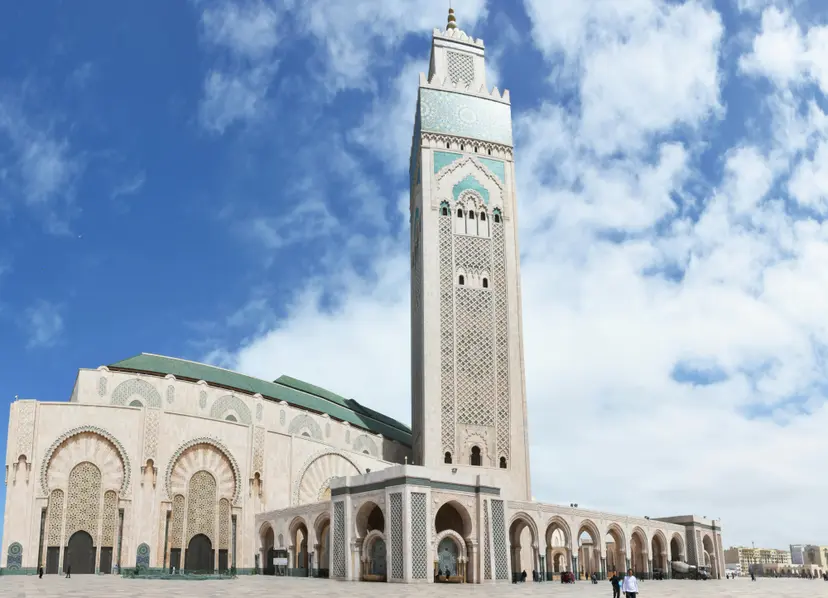
After breakfast, morning sightseeing tour of Casablanca, located on the Atlantic Ocean, is Morocco’s business center. Casablanca was established as a commercial centre by the French. The architecture is a mix of modern, art deco and traditional. Your highlights of Casablanca include: A visit of the Central Market. The old Mahakma building constructed in marble, stone and wood, with no fewer than sixty rooms. The remarkable Mosque Hassan II, one of only two mosques in Morocco open to non-Islamic believers. Built by the late King Hassan II at the end of his 40-year reign, this astounding edifice is larger than Saint Peter’s in Rome and capable of holding 80,000 worshippers. Afternoon departure to Essaouira, a magical fortified coastal town on the Atlantic Ocean. Overnight at htl in Essaouira
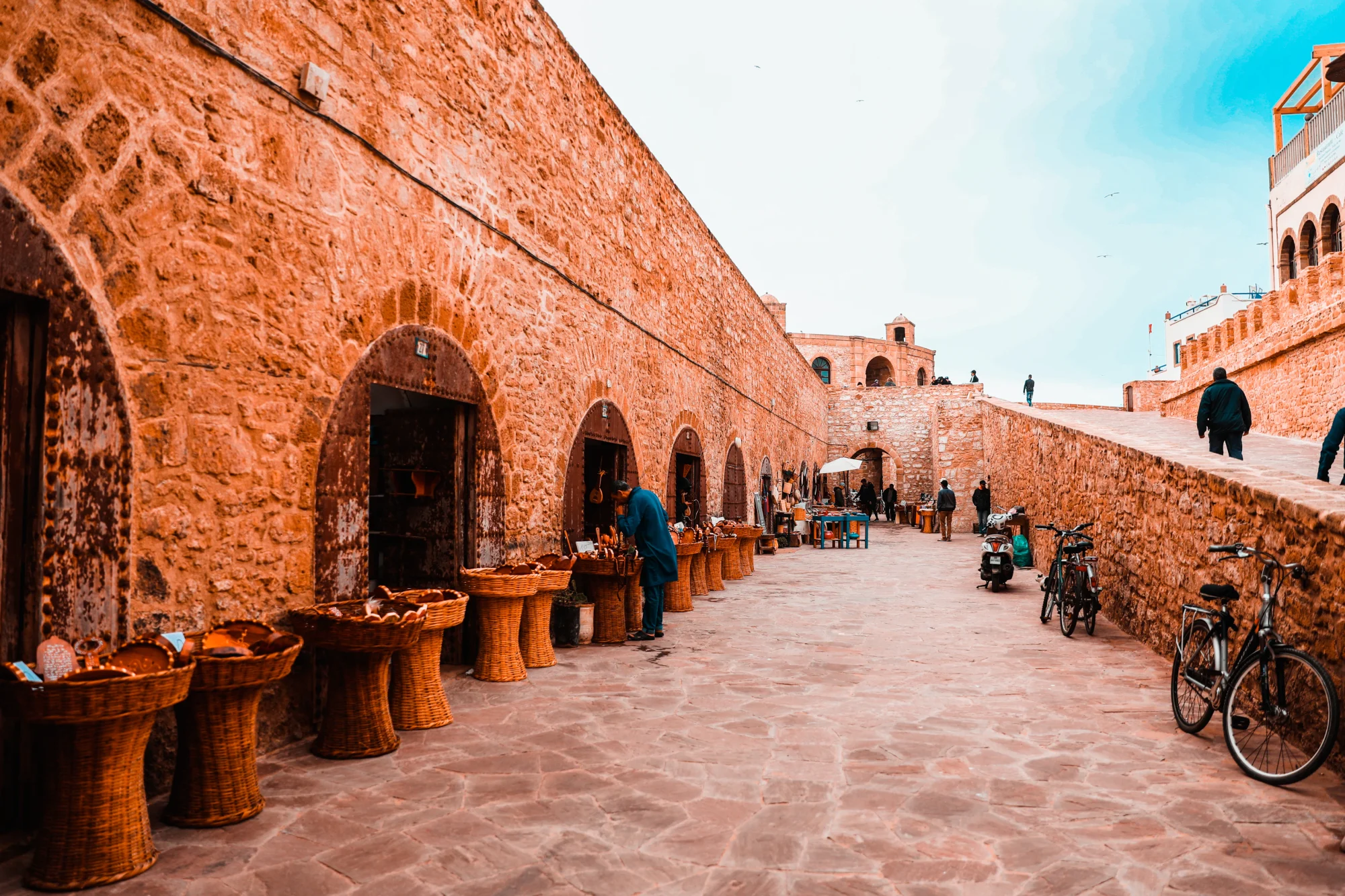
Morning visit Essaouira, a magical fortified coastal town on the Atlantic Ocean. Built by the Portuguese in the 17th C. In total contrast to Marrakech, the pace of life here is relaxed and slow. Essaouira was made famous by Orson Wells, who filmed Othello here and more recently, by residents like Jimmy Hendrix and the Rolling Stones. Unlike Marrakech and Fes, there are no single places of major historical note to visit but Essaouira in itself becomes an historic location and is not to be missed. Explore the town, its ramparts, and its lovely street of thuya craftsmen, the lively port, the colourful souk, the medina and the Squala. afternoon departure to Marrakech Overnight at hotel in Marrakech
After breakfast, departure transfer to the airport according to your flight details End of our services. Have nice trip back home!

Member Since 2026